Murrieta
Fall Home Maintenance Checklist for Southern California

Gregory Marin
Owner, RepairHero ·
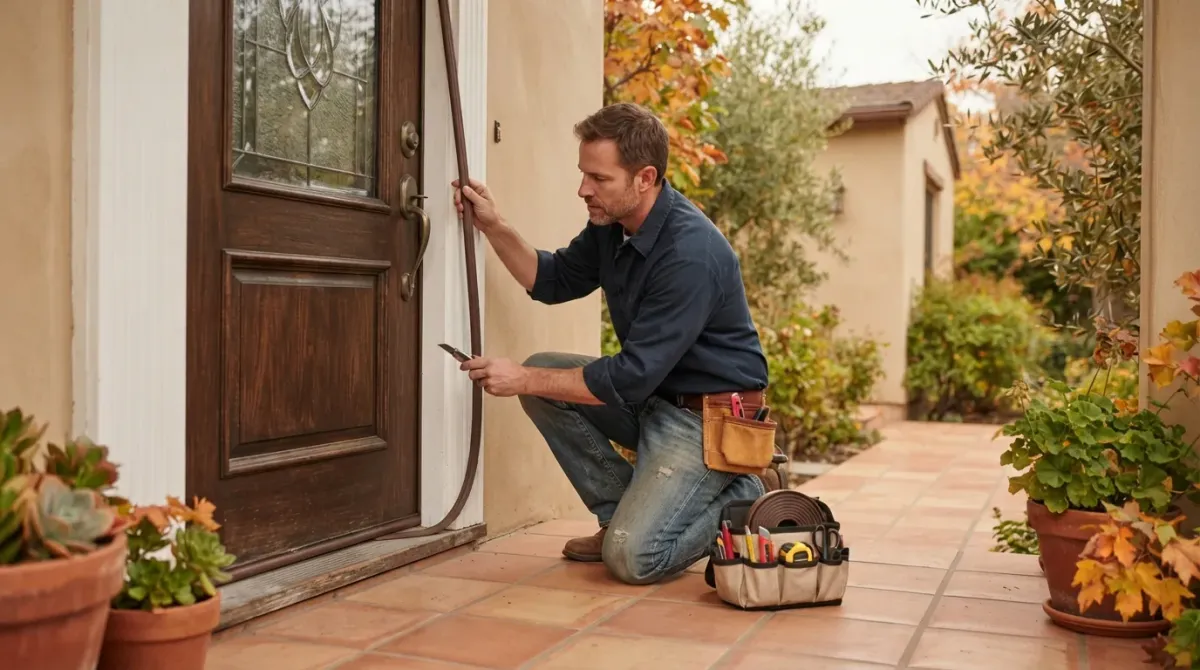
Fall home maintenance in Southern California is about getting ahead of cooler nights and rain: seal drafts, flush the water heater, clear gutters, test alarms, and check exterior gaps before small issues spread.
Key Takeaways
- DOE says sealing air leaks and adding insulation can save about 11% on total energy costs.
- Family Handyman, citing DOE, says 1/4 inch of water-heater sediment can cut efficiency 25-40%.
- IAFF recommends changing smoke and CO alarm batteries yearly at the fall clock change.
- RepairHero gives a free estimate, $0 trip charge, and written quote before approved work starts.
For local punch-list help, start with RepairHero’s Murrieta handyman service or Oceanside handyman service. You can also learn more about our team before requesting a quote.
What Should Be on a Fall Home Maintenance Checklist?
A good fall home maintenance checklist covers the parts that protect comfort, drainage, safety, and hot water. DOE says sealing air leaks plus insulation can save about 11% of total energy costs, so even mild Southern California homes benefit from small seasonal fixes (DOE Energy Saver).
In our experience quoting Murrieta punch lists, fall is when small home issues often cluster: a sticky exterior door, a draft at the jamb, a noisy water heater, and gutters packed from months of dry debris. Grouping those jobs makes the visit more useful.
This is also the right season to separate handyman work from specialty work. Caulk, weatherstripping, basic gutter cleaning, alarm checks, and a water heater flush can fit a handyman visit. Roof-line repairs, flashing problems, active roof leaks, panel issues, and unsafe wiring should go to the right specialty contractor or a qualified electrician.
Fall Tasks That Pay Off
These figures are published energy, safety, and maintenance data, not a RepairHero quote. Your price comes from a free written quote; RepairHero has a $0 trip charge and a $160 minimum service call on approved work.
| Task | Payoff / cost | Source |
|---|---|---|
| Seal leaks and replace worn weatherstripping | About 11% total energy savings; caulk is about $2 per tube and seals gaps up to 1/4 inch | DOE Energy Saver |
| Flush the water heater | Helps reverse the efficiency loss tied to 1/4 inch of sediment, which can cut efficiency 25-40% | Family Handyman, citing DOE |
| Test smoke and CO alarms | Working smoke alarms roughly double survival odds in a home fire | NFPA |
| Replace alarm batteries yearly | IAFF recommends the fall daylight-saving clock change as the yearly reminder; replace alarm units at 10 years | IAFF |
How Do You Seal Drafts Before Cooler Nights?
Seal drafts by replacing failed weatherstripping and caulking small exterior gaps. DOE says caulk is suited for gaps up to 1/4 inch and costs about $2 per tube, while air sealing plus insulation can save about 11% of total energy costs (DOE Energy Saver).
Look at the front door, garage-entry door, sliding door, window trim, hose bib penetrations, and exterior trim joints. A thin line of daylight, a loose door sweep, cracked caulk, or brittle foam strip is enough to let conditioned air escape.
When we look at coastal Oceanside jobs, exterior seals often tell the story first. Salt air and sun can dry out caulk, corrode fasteners, and make small openings worse. That is why fall exterior checks pair well with paint touch-ups and hardware adjustments.
Remove failed caulk, clean the edge, and apply the right bead for the gap. For wet areas and tile edges, see our guide to caulking and grout repair.
Why Flush the Water Heater in Fall?
Flush the water heater in fall because sediment can reduce efficiency right when the home starts using more hot water. Family Handyman, citing DOE, says 1/4 inch of water-heater sediment can cut efficiency by 25-40% (Family Handyman).
In Murrieta, hard water makes this more than a seasonal chore. Fall is a practical reminder because the heater gets checked before winter guests, cooler mornings, and heavier indoor use. For related symptoms, read our Murrieta guide to hard water damage around the home.
Some water-heater work belongs outside a handyman visit. Gas-line changes, major plumbing repairs, replacement, venting issues, and electrical faults should go to the appropriate specialty contractor. A basic flush and visual check are the smaller maintenance lane.
What Exterior and Rain Prep Matters Most?
Rain prep starts with gutters, downspouts, drainage, and exterior seals. DOE’s 1/4-inch caulk guidance applies to small gaps, but water management is just as practical: clean paths for rainwater help keep water away from fascia, siding, doors, and the foundation (DOE Energy Saver).
Clear leaves and roof grit before the first heavy rain. Where practical, run water through downspouts and confirm it exits away from the home.
Check the roof line from the ground. You are looking for visible gaps, sagging gutters, lifted trim, staining, or missing flashing pieces. Do not climb onto a roof for a quick guess. Roof and flashing repairs should go to a specialty contractor.
How Should You Check HVAC, Smoke Alarms, and CO Alarms?
Test heat mode, replace the HVAC filter, and check alarms before the first cold night. NFPA says nearly 3 of 5 home-fire deaths happen in homes with no smoke alarm or no working smoke alarm, and working alarms roughly double survival odds (NFPA).
Run the HVAC in heat mode before you need it. Listen for odd noises, check that warm air reaches the rooms, and replace the filter if it is dirty.
For alarms, press the test button and replace smoke and CO alarm batteries yearly. IAFF recommends tying this task to the fall daylight-saving clock change and replacing the whole alarm unit at 10 years (IAFF).
When we quote a job, we look at it first and put the number in writing before any work starts. That matters for fall punch lists because one visit may include alarms, door seals, minor exterior caulk, and gutter cleanup, while specialty items are separated clearly.
Handyman-Friendly vs. Specialty Work
Handyman-friendly fall work includes caulk, weatherstripping, basic gutter clearing, water-heater flushing, alarm battery replacement, door sweeps, filter changes, and small exterior touch-ups. NFPA’s alarm data and DOE’s air-sealing data both point to small tasks with real payoff when done on time.
RepairHero’s policy stays simple: free estimate, $0 trip charge, $160 minimum service call on approved work, and a written quote with no surprise fees. RepairHero quotes per job, so your fall checklist gets priced after the work is reviewed.
Frequently Asked Questions
What are the top fall home maintenance tasks?
The top fall home maintenance tasks are sealing drafts, flushing the water heater, clearing gutters before rain, testing smoke and CO alarms, changing the HVAC filter, and checking exterior caulk. DOE says sealing air leaks and insulation can save about 11% of total energy costs.
Why flush the water heater in fall?
Flush the water heater in fall because sediment reduces efficiency before cooler weather increases hot-water use. Family Handyman, citing DOE, says 1/4 inch of sediment can cut water-heater efficiency 25-40%, so fall is a useful yearly reminder.
Do I need to seal drafts in mild SoCal?
Yes. Mild weather still uses heating, cooling, and conditioned air. DOE says sealing air leaks and insulation can save about 11% of total energy costs, and caulk can seal gaps up to 1/4 inch around trim, penetrations, and small exterior openings.
When should I change smoke alarm batteries?
Change smoke and CO alarm batteries yearly. IAFF recommends using the fall daylight-saving clock change as the reminder, and replacing the whole alarm unit at 10 years. NFPA says working smoke alarms roughly double survival odds in a home fire.
Which fall tasks need a pro?
Roof-line repairs, flashing problems, electrical panel issues, unsafe wiring, gas-line work, and major plumbing should go to a specialty contractor or qualified electrician. Most sealing, weatherstripping, alarm battery, gutter, filter, and basic water-heater flush tasks are handyman-friendly.
Fall maintenance works best as a short, practical checklist: seal the obvious gaps, clear the water path, flush the tank, test the alarms, and separate specialty work before rain or cooler nights expose the problem.

Gregory Marin — Owner, RepairHero
Gregory Marin is the owner of RepairHero (Grem Construction LLC) and has spent years handling home repairs for homeowners across Murrieta and Oceanside, California.
More about RepairHero →